RHEUMATOID ARTHRITIS (Amavata)
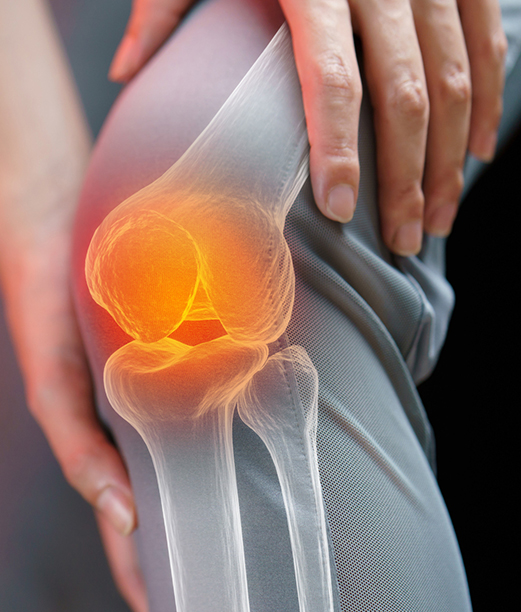
Rheumatoid Arthritis (RA) is a systemic condition primarily characterized by joint inflammation, pain, functional loss, and eventual joint damage and deformity. The severity of the disease can vary, ranging from mild inflammation in a few joints to widespread involvement in multiple joints, particularly in the hands and feet. In Ayurveda, the underlying cause of RA, or Aamavata, is the formation and accumulation of Aama (toxic metabolic waste), which affects all levels of bodily function, including the gastrointestinal system and both the macro and microchannels of the body’s inner transport system.
GOUT (Vatarakta)
In Ayurveda, gout is referred to as Vatarakta. This condition is thought to arise when there is an imbalance in the Vata dosha. Gout occurs when high levels of uric acid in the body, known as hyperuricemia, lead to the formation of uric acid crystals in the joints. This results in painful flare-ups and inflammatory arthritis.
CERVICAL SPONDYLOSIS (Greevagata vata)
Cervical spondylosis is a degenerative condition that causes severe pain, stiffness, numbness, and limited movement in the neck. It typically results from the wear and tear of the spine over time and is more common in older individuals. Common symptoms include neck pain, stiffness, and a reduced range of motion. Other symptoms may include headaches, weakness or numbness in the arms or hands, and tingling sensations in the fingers. In severe cases, cervical spondylosis can lead to spinal cord compression, which may cause more serious issues such as difficulty with balance, coordination, and control over bladder or bowel functions.
Age is one of the primary factors contributing to cervical spondylosis, but other causes include excessive strain on the neck during exercise, long hours of work, lack of physical activity, sleeping in improper positions (particularly on the stomach), and underlying health conditions that affect calcium absorption in the body. From an Ayurvedic perspective, the symptoms of cervical spondylosis are often linked to a vitiation of Vatadosha.
LUMBAR SPONDYLOSIS (Katigata vata)
In Ayurveda, lumbar spondylosis is classified as a Vata Vyadhi (disease caused by an imbalance in Vata dosha). This age-related degenerative condition affects the lumbar vertebrae, or lower spine, causing narrowing of the spaces between the discs. As a result, it leads to various health issues, ranging from chronic low back pain to neurological problems. Typically, lumbar spondylosis develops after the age of 40, as the spine undergoes age-related changes that contribute to the degeneration of the vertebrae. It most commonly affects the last two vertebrae of the lumbar spine (L4 and L5) and the first vertebra of the sacral spine (S1).
Ayurvedic treatment for lumbar spondylosis focuses on detoxification and the elimination of toxins from the body. Therapies like Kati Basti and Patra Pinda Sweda are commonly used to alleviate pain and restore balance. Ayurvedic medicines aim to balance Vata dosha, not only addressing the symptoms but also healing the root cause of the condition. These treatments relax the muscles, reduce inflammation in the nerves and surrounding tissues, and relieve both back and neck pain associated with the inflammation. Through a holistic approach, Ayurveda helps to heal the body from within, promoting long-term relief and well-being.