Premature ejaculation/Shukragata Vata
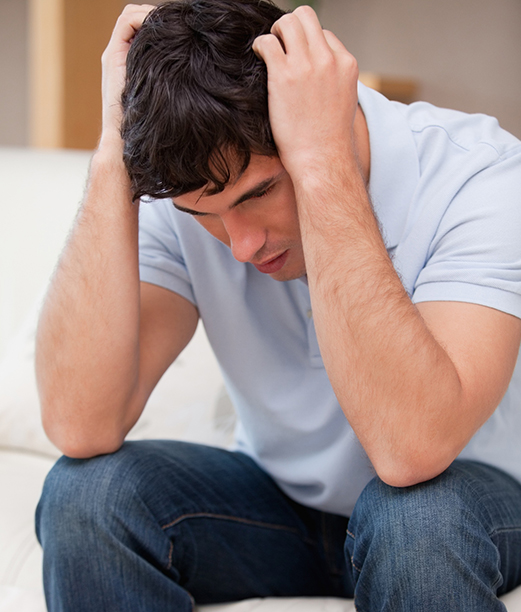
Premature ejaculation (PE) occurs when a man ejaculates before or shortly after intercourse begins, often within a minute. While there is no specific time frame for when ejaculation should happen during sex, premature ejaculation can leave both partners feeling unsatisfied. It is a common issue, affecting 30% to 40% of men. Causes can range from physical conditions and chemical imbalances to emotional or psychological factors. Occasional PE is also known as rapid ejaculation, premature climax, or early ejaculation.
From an Ayurvedic perspective, premature ejaculation is primarily caused by an aggravated Vata Dosha. It is referred to as Shukragata Vata (early ejaculation), Shukra Ativega (delayed ejaculation), and Nishphalatvam (inability to impregnate). When Prakupita Vata moves into the Shukra Dhatu (semen), it leads to premature ejaculation.
Infertility/Vandhyatwa
Infertility is defined as a couple’s inability to conceive despite regular, unprotected intercourse or the inability to carry a pregnancy to full term.
In Ayurveda, infertility is referred to as Vandhyatwa, which is the failure to achieve conception despite normal coitus at the right time in the ritu-chakra (menstrual cycle) over the course of a year.
Charakacarya describes the causes of infertility as defects in bijamsha (sperm and ova). He emphasizes that conception depends on several factors: the mental and emotional state (manas and hridaya), the proper functioning of vayu (the nervous system), the acceptance of shukra (semen) by the yoni (vagina), and the correct deposition of semen within the vagina. Additionally, aahara (nutrition and digestion), vihaara (lifestyle and conduct), vichaara (thoughts and mental balance), and bala (strength and health) all play a crucial role in fertility and procreation.
Spermatorrhoea/Dhat Syndrome
Spermatorrhoea is a condition in which involuntary ejaculation occurs without sexual activity, either during the day while awake or at night during sleep or dreams. This condition becomes pathological when it occurs more than three times a week, accompanied by symptoms like dizziness, insomnia, lower back and leg weakness, and fatigue. Factors such as excessive sexual activity, frequent masturbation, emotional imbalances, and alcohol consumption can contribute to spermatorrhoea.
In Vedic texts, the term ‘Dhat’ is derived from Dhatus, which refers to bodily fluids. Dhat syndrome describes a condition where men experience extreme fatigue, depression, anxiety, impotence, and a general decline in fertility due to the loss of semen.
According to Ayurveda, Shukra is a thick, white, unctuous substance that represents the life force in men. It plays a crucial role in reproduction (garbhotpadana) and contributes to physical strength, intelligence, memory, and overall vitality. Loss of semen is linked to a decline in energy, memory instability, and mental unrest. The Charak Samhita describes Dhat syndrome as the depletion of semen or substances similar to semen, including Shuklameha (a white substance in urine), Shukrameha (semen in urine), and Sitemeha (cold, sweet urine).
Factors that can vitiate Shukra dhatu and lead to Dhat syndrome include pre-marital sexual relations, insufficient physical activity, excessive sexual activity or desires, inadequate water intake, injury to the dhatus, engaging in sexual activity during the spring season, mental stress or grief, daytime intercourse, and consumption of unclean or unhealthy foods.
Erectile dysfunction/Klaibya
Erectile Dysfunction (ED), also known as impotence, is the inability to achieve or maintain an erection sufficient for satisfactory sexual intercourse. Common causes include overexertion, physiological disturbances, low hormone levels, and relationship issues.
In Ayurveda, ED is referred to as ‘Klaibya’. It is believed that excessive consumption of incompatible foods—such as those high in salt, sugar, sour, or heavy foods—can contribute to the condition. Additionally, Ayurveda emphasizes the role of a balanced mind during physical activities. An imbalance in Vata dosha is thought to be a key factor, as increased Vata can lead to negative emotions such as jealousy, fear, confusion, anger, and intoxication. These emotional imbalances can result in symptoms like excessive palpitations, sweating, and a loss of interest in intimate activities.
Ayurveda categorizes Klaibya (Erectile Dysfunction) into four types:
Dhajabhangaja Klaibya: This type is typically caused by excessive sexual indulgence, chronic diseases, penile tissue damage, or trauma to the male genitalia.
Bijopaghataja and Shukra Kshayaja Klaibya: Both of these types are characterized by a reduction in semen production, low sperm count, and poor sperm quality, leading to ED.
Jaraja Klaibya: This type occurs as a result of aging and long-term nutritional deficiencies, where the body lacks the essential nutrients for optimal function.
In Ayurveda, treating ED involves balancing the doshas, addressing emotional health, and improving diet and lifestyle.
Loss of libido
Low libido, or a decrease in sexual desire, refers to a reduced interest in sexual activity, which can manifest as less frequent or intense sexual urges than before. This condition can be either temporary or long-term.
Libido is the overall desire for sexual activity, including sex with a partner or self-pleasure. It’s influenced by a mix of biological, psychological, and social factors, including:
The complex nature of libido means that changes can stem from multiple sources, affecting both physical and emotional well-being.